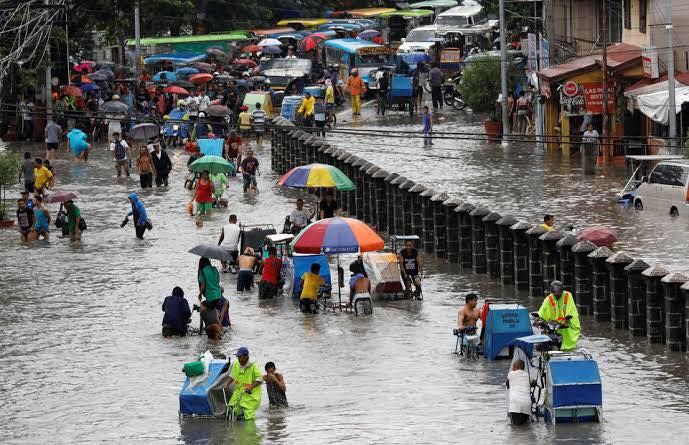
Heavy Rainfall and Flood Risks
Heavy rainfall can have significant consequences for communities, agriculture, infrastructure, and public safety. Intense and prolonged rain events increase the risk of flooding, landslides, and waterlogging, especially in urban areas where drainage systems may be inadequate. Understanding rainfall forecasts and the associated flood risks helps individuals, local authorities, and emergency services prepare and respond effectively.
Causes of Heavy Rainfall
Heavy rainfall occurs when atmospheric conditions bring large amounts of moisture to a region over a short period. Several factors contribute to this, including weather systems, topography, and seasonal patterns.
Weather Fronts and Low-Pressure Systems
Low-pressure systems and weather fronts force warm, moist air upward, leading to condensation and heavy precipitation. These systems often result in prolonged rain over large areas.
Monsoon and Seasonal Influences
In many regions, seasonal monsoon winds carry moisture from oceans or lakes, producing heavy rains. Seasonal patterns like spring and autumn storms can also contribute to sudden downpours.
Topography and Local Geography
Mountains and hills can enhance rainfall through orographic lifting, where moist air rises along slopes, cools, and condenses into rain. Coastal regions may also experience heavier rainfall due to proximity to large water bodies.
Flood Risks Associated with Heavy Rainfall
Flooding is a primary hazard associated with heavy rainfall. Understanding the types of floods and their causes helps communities implement preventive measures.
Flash Floods
Flash floods occur rapidly, often within a few hours of heavy rain. They are dangerous because they provide little warning and can sweep away vehicles, damage property, and pose life-threatening conditions.
River and Urban Flooding
Rivers can overflow their banks during sustained heavy rainfall, leading to extensive flooding of surrounding areas. Urban flooding occurs when city drainage systems are overwhelmed, causing waterlogging in streets, homes, and businesses.
Landslides and Soil Erosion
In hilly or mountainous areas, heavy rain can trigger landslides, which pose risks to settlements, roads, and agriculture. Saturated soil loses stability, increasing the likelihood of sudden ground movement.
Effects of Flooding
Floods can have severe impacts on people, infrastructure, and the environment. Awareness of these effects helps in planning and risk management.
Impact on Communities
Floods disrupt daily life by damaging homes, displacing residents, and affecting access to food, water, and medical care. Emergency shelters and relief measures are often needed during severe floods.
Damage to Infrastructure
Flooding can damage roads, bridges, electricity networks, and public facilities. Repairs are often costly and may take weeks or months, affecting local economies and mobility.
Agricultural Losses
Excessive rainfall and flooding can destroy crops, reduce yields, and erode fertile soil. Farmers may face significant financial losses, and food supply chains can be disrupted.
Precautions During Heavy Rainfall
Taking proactive measures during heavy rain events can reduce the risk of injury and property damage. Preparation and awareness are key to safety.
Stay Updated with Forecasts
Monitoring weather forecasts and alerts from reliable sources helps individuals and communities anticipate heavy rainfall and take appropriate precautions.
Avoid Flooded Areas
Never attempt to walk, drive, or swim through flooded streets or rivers. Even shallow water can be dangerous due to strong currents and hidden debris.
Prepare Emergency Supplies
Essential items include clean drinking water, non-perishable food, first aid kits, flashlights, batteries, and important documents. Having these supplies ready ensures readiness during unexpected flooding.
Secure Property
Moving valuable items to higher ground, sandbagging vulnerable areas, and securing outdoor equipment can reduce flood damage to homes and businesses.
Community and Government Measures
Authorities play a vital role in flood management. Preparedness measures, infrastructure planning, and emergency response systems are crucial for minimizing risks.
Flood Forecasting and Early Warning Systems
Hydrological models and monitoring stations track rainfall and river levels to provide timely warnings. Communities can use this information to evacuate vulnerable areas and implement safety measures.
Urban Drainage Management
Improving drainage systems, maintaining stormwater channels, and reducing blockage helps manage excess water during heavy rainfall, reducing the impact of urban flooding.
Disaster Response Planning
Emergency services prepare contingency plans for flood-prone regions, including evacuation procedures, temporary shelters, and resource allocation to assist affected populations.
Long-Term Strategies to Mitigate Flood Risks
While immediate precautions are necessary, long-term strategies help communities build resilience to recurring heavy rainfall and flooding events.
Afforestation and Soil Conservation
Planting trees and preserving natural vegetation reduce soil erosion, improve water absorption, and help control runoff during heavy rainfall.
Urban Planning and Zoning
Designing cities with proper drainage, flood zones, and green spaces mitigates flood risks and reduces potential damage to infrastructure and property.
Climate Adaptation and Awareness
Understanding changing climate patterns helps policymakers and communities implement measures to adapt to increased rainfall intensity, ensuring long-term safety and sustainability.