Winter Storm News and Updates
Winter storms bring cold temperatures, snowfall, ice, and strong winds, affecting transportation, daily activities, and safety. These storms can range from light snow showers to severe blizzards, disrupting communities and causing hazardous conditions. Staying informed about snowfall and cold weather updates is essential for preparing homes, vehicles, and personal routines during winter months.
Causes of Winter Storms
Winter storms form when cold air masses interact with moist air, often accompanied by low-pressure systems that enhance precipitation. Factors like temperature, humidity, and wind direction influence the severity of these storms.
Cold Air Masses
Cold air moving from polar or high-latitude regions can lead to freezing temperatures, creating conditions for snow and ice formation. The intensity and duration of cold air influence how severe a winter storm will be.
Moisture and Precipitation
Moist air from oceans or large lakes contributes to snowfall when it rises and cools over cold regions. The availability of moisture determines the amount of snow or freezing rain during a storm.
Low-Pressure Systems
Low-pressure systems create rising air that cools and condenses, producing precipitation. The path and strength of these systems influence snowfall distribution and storm intensity.
Snowfall and Ice Conditions
Snowfall and ice accumulation are the most visible effects of winter storms. They impact transportation, infrastructure, and daily life.
Snow Accumulation
Snow can accumulate rapidly during strong storms, causing road closures, power outages, and disruptions to public services. Accurate forecasts help communities prepare for snow removal and emergency response.
Ice Formation
Freezing rain and sleet can coat roads, sidewalks, and power lines with ice, creating hazardous conditions. Ice buildup increases the risk of accidents, falls, and infrastructure damage.
Wind and Visibility Concerns
Strong winds during winter storms create additional hazards, including drifting snow and reduced visibility, which can lead to dangerous travel conditions.
Blizzard Conditions
Blizzards are characterized by heavy snow combined with strong winds, reducing visibility and making travel extremely dangerous. Such storms can lead to rapid snowdrifts and power interruptions.
Wind Chill Effects
Cold winds increase the perception of temperature, known as wind chill, which can lead to frostbite and hypothermia if precautions are not taken. Monitoring wind chill is important for outdoor activities.
Impact on Daily Life
Winter storms affect various aspects of daily life, from transportation to health. Being prepared and informed helps reduce disruptions and risks.
Transportation Challenges
Snow-covered roads, ice, and low visibility can slow traffic, delay flights, and disrupt public transportation. Travelers should plan ahead, allow extra time, and follow safety guidelines.
Health Risks
Extreme cold and wind chill can cause frostbite, hypothermia, and respiratory issues. Wearing appropriate clothing and limiting exposure are essential precautions.
Power and Infrastructure
Heavy snow and ice can damage power lines, roofs, and other structures. Communities must prepare for potential outages and emergency repairs.
Precautions During Winter Storms
Taking preventive measures before and during winter storms minimizes risks and ensures safety for individuals and families.
Stay Updated on Forecasts
Monitoring reliable weather sources for snowfall and storm updates helps people plan travel, school closures, and work schedules.
Limit Outdoor Exposure
During severe storms, it is best to remain indoors. If travel is necessary, carry emergency supplies and dress in layers to protect against cold and wind.
Prepare Homes and Vehicles
Stock essential supplies like food, water, medications, and heating fuel. Vehicles should have winter tires, emergency kits, and antifreeze to prevent breakdowns.
Community and Government Response
Authorities play a key role in managing winter storm impacts, providing guidance, and ensuring community safety.
Snow Removal and Road Maintenance
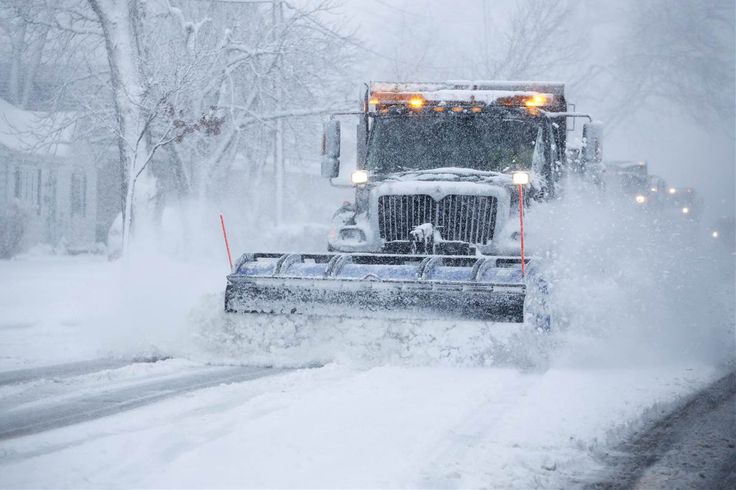
Municipal services work to clear snow and ice from roads and public areas, improving mobility and reducing accidents.
Emergency Services and Shelters
Emergency shelters provide warmth and safety for those without adequate heating or stranded by storms. Coordinated emergency response ensures quick assistance during severe events.
Public Alerts and Safety Guidance
Official alerts inform communities about storm severity, expected snowfall, and safety precautions. Following these alerts helps minimize risks and prepare for disruptions.
Long-Term Strategies for Winter Preparedness
Planning for recurring winter storms improves resilience and reduces risks associated with extreme cold and snowfall.
Infrastructure Adaptation
Designing buildings and roads to withstand heavy snow and ice accumulation prevents structural damage and enhances community safety.
Community Awareness Programs
Educational initiatives inform residents about storm preparedness, safe driving in snow, and emergency protocols, increasing overall resilience.
Climate Monitoring and Forecasting
Continuous monitoring and improved forecasting technology allow meteorologists to provide accurate winter storm predictions, helping individuals and authorities take timely action.