Understanding Climate Trends and Their Impact
Climate trends refer to long-term changes in weather patterns over months, years, or even decades. Unlike daily weather updates, which reflect short-term atmospheric conditions, climate trends help scientists, policymakers, and communities understand how temperature, precipitation, and extreme weather events are evolving over time. Studying these trends is essential for preparing for future challenges, including natural disasters, food security, water management, and public health.
What Are Climate Trends
Climate trends are identified by analyzing historical weather data to detect shifts in patterns such as rising temperatures, changing rainfall distribution, or increasing frequency of extreme events. These trends are influenced by natural processes like volcanic activity and solar cycles, as well as human activities such as deforestation, urbanization, and greenhouse gas emissions.
Global Warming and Temperature Shifts
One of the most notable climate trends is global warming, which is the long-term increase in Earth’s average surface temperature. Rising temperatures affect ecosystems, agriculture, and human health. Heatwaves are becoming more frequent and intense, while colder regions experience shorter winters and melting ice.
Changing Rainfall and Precipitation Patterns
Precipitation patterns are shifting globally. Some regions are experiencing more intense rainfall, leading to flooding, while others are seeing prolonged droughts. These changes affect water availability, crop yields, and natural habitats, and can disrupt communities reliant on consistent rainfall.
Flood Risks and Heavy Rain Events
In areas where rainfall is increasing, flash floods and river overflow have become more common. Urban planning and emergency preparedness must adapt to manage these new risks effectively.
Drought and Water Scarcity
Regions experiencing reduced rainfall face water scarcity, impacting agriculture, energy production, and drinking water supplies. Long-term trends in drought frequency are critical for sustainable resource management.
Extreme Weather Events
Climate trends are also reflected in the increasing frequency and intensity of extreme weather events such as hurricanes, cyclones, wildfires, and severe storms. These events can cause widespread damage, economic losses, and threats to human safety.
Hurricanes and Cyclones
Warmer ocean temperatures provide more energy for tropical storms, leading to stronger and more destructive hurricanes and cyclones. Coastal communities are particularly vulnerable to storm surges and flooding.
Wildfires and Heatwaves
Higher temperatures and prolonged dry periods contribute to wildfires in many regions. Heatwaves not only increase fire risk but also pose serious health hazards, particularly to vulnerable populations.
Impact on Ecosystems and Biodiversity
Shifts in climate patterns affect ecosystems by altering habitats, migration patterns, and species survival. Plants and animals must adapt to changes in temperature, rainfall, and seasonal cycles, which can sometimes lead to extinction or relocation of species.
Changes in Plant Growth and Agriculture
Altered rainfall and temperature patterns influence growing seasons, crop yields, and food security. Some crops may thrive under new conditions, while others decline, requiring adjustments in agricultural practices.
Wildlife Adaptation
Animals are affected by shifting climates through changes in food availability, breeding cycles, and migration patterns. Some species are forced to move to new regions, while others face survival challenges.
Human Impacts and Health
Climate trends affect human populations directly and indirectly. Changes in weather patterns can lead to health issues, economic disruption, and challenges in infrastructure planning.
Heat-Related Illnesses
Rising temperatures increase the risk of heat exhaustion, heatstroke, and other heat-related illnesses. Vulnerable populations, such as the elderly and children, are most at risk.
Vector-Borne Diseases
Changes in temperature and rainfall can expand the habitat of disease-carrying insects like mosquitoes, increasing the spread of diseases such as malaria and dengue fever.
Monitoring and Predicting Climate Trends
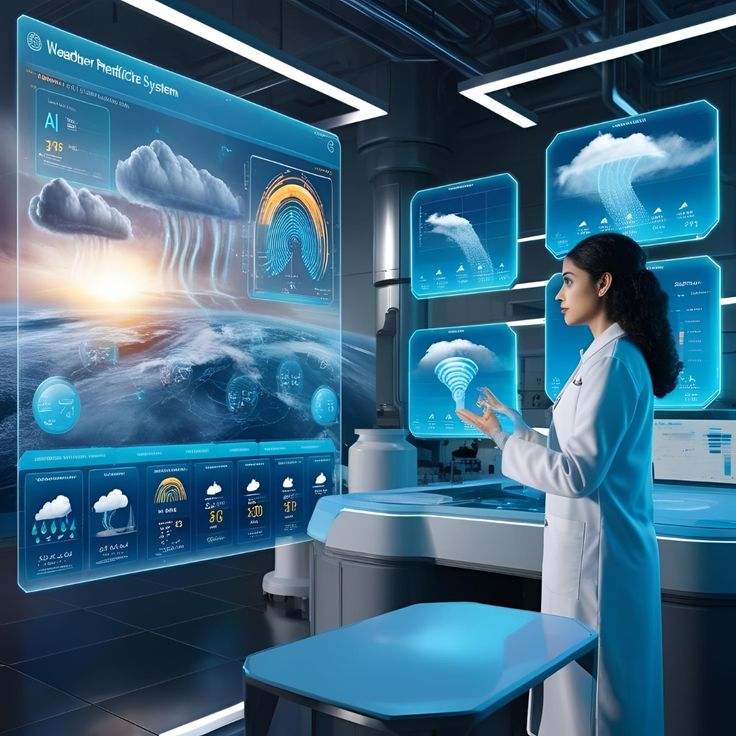
Monitoring climate trends relies on data from satellites, weather stations, ocean buoys, and historical records. Scientists use models to predict how climate patterns may evolve and to assess the impact of human activities on future weather conditions.
Global Climate Models
Climate models simulate the Earth’s atmosphere, oceans, and land interactions to project future trends. These models help policymakers plan for climate mitigation and adaptation strategies.
Local and Regional Analysis
Understanding trends at a regional level is essential for planning infrastructure, agriculture, and disaster preparedness. Local climate trends can differ significantly from global averages.
Adapting to Changing Climate Patterns
Adapting to climate trends requires coordinated action across government, communities, and individuals. Measures include improving disaster preparedness, adopting sustainable agricultural practices, conserving water, and reducing greenhouse gas emissions.
Urban Planning and Infrastructure
Cities must adapt to increased heat, flooding, and storm intensity by enhancing infrastructure resilience, improving drainage systems, and creating green spaces to moderate temperatures.
Sustainable Agriculture and Water Management
Farmers can implement climate-smart practices, such as crop rotation, efficient irrigation, and soil conservation, to mitigate the effects of changing weather patterns and ensure food security.
Public Awareness and Education
Raising public awareness about climate trends is critical for community resilience. Education programs, media campaigns, and citizen science initiatives help people understand risks and take proactive measures.
Community Engagement
Communities can participate in local climate monitoring, tree planting, and water conservation programs. Engaging citizens encourages responsible behavior and fosters adaptation strategies.
Policy and Global Cooperation
Addressing climate trends requires global cooperation to reduce emissions, promote sustainable development, and support countries vulnerable to climate impacts. Policy frameworks guide mitigation and adaptation strategies at national and international levels.