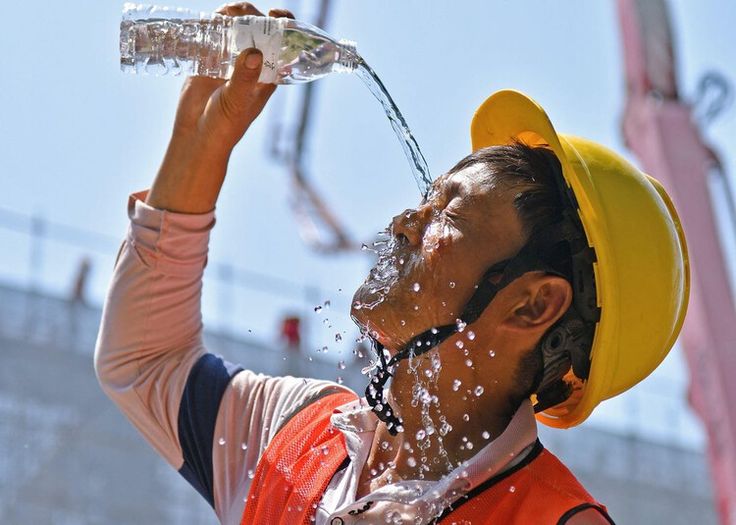
Understanding Heatwave Conditions
Heatwaves are prolonged periods of excessively hot weather, often accompanied by high humidity. They pose significant risks to human health, agriculture, energy consumption, and infrastructure. Heatwaves can affect large populations, especially in urban areas where the combination of high temperatures and concrete surfaces intensifies the heat. Understanding the causes, effects, and precautions for heatwaves is essential for minimizing their impact on daily life.
Causes of Heatwaves
Heatwaves occur due to a combination of atmospheric conditions that trap warm air over a region for an extended period. These conditions are often influenced by natural and human-related factors.
High-Pressure Systems
A persistent high-pressure system can prevent the upward movement of warm air, trapping heat near the ground. These systems often lead to clear skies and minimal wind, allowing temperatures to rise significantly.
Urban Heat Islands
Cities with dense buildings, asphalt, and concrete absorb and retain heat, creating localized areas known as urban heat islands. This intensifies the heatwave impact compared to surrounding rural areas.
Global Warming
Rising global temperatures due to greenhouse gas emissions contribute to more frequent and intense heatwaves. Long-term climate changes increase the likelihood of extreme temperature events across the world.
Effects of Heatwaves
Heatwaves have widespread consequences on human health, the environment, and society. Understanding these effects helps in planning precautions and responses.
Health Risks
Exposure to extreme heat can lead to dehydration, heat exhaustion, and heatstroke. Vulnerable populations, including the elderly, children, and people with chronic illnesses, are at higher risk. Prolonged heat can exacerbate respiratory and cardiovascular conditions.
Impact on Agriculture
High temperatures can damage crops, reduce yields, and increase water demand for irrigation. Livestock may also suffer from heat stress, affecting productivity and food supply chains.
Energy Demand
Heatwaves increase energy consumption as people rely more on air conditioning and cooling systems. This can strain power grids and sometimes lead to blackouts, affecting households and businesses.
Infrastructure Strain
Extreme heat can damage roads, railways, and buildings. Asphalt may soften, and railway tracks can warp, creating hazards for transportation and logistics.
Precautions During Heatwaves
Taking preventive measures during heatwaves is crucial to protect health and minimize risks. Awareness and preparation can reduce the severity of heatwave impacts.
Stay Hydrated
Drinking plenty of water throughout the day is essential. Avoid excessive alcohol and caffeinated drinks, which can lead to dehydration.
Limit Outdoor Activity
During the hottest parts of the day, usually between 11 a.m. and 4 p.m., it is advisable to stay indoors or in shaded areas. Outdoor physical activity should be minimized to prevent heat-related illnesses.
Use Cooling Measures
Fans, air conditioners, and cool showers can help reduce body temperature. Wearing light-colored, loose-fitting clothing also improves comfort during extreme heat.
Check on Vulnerable Individuals
Regularly checking on elderly neighbors, young children, and people with chronic illnesses ensures they are safe and have access to hydration and cooling resources.
Plan Travel and Work Accordingly
Scheduling outdoor work and travel for early morning or late evening when temperatures are lower can reduce exposure. Proper planning helps maintain productivity while staying safe.
Community and Government Measures
Governments and local authorities often implement heatwave response plans to minimize risks to the public. These measures include public alerts, cooling centers, and health advisories.
Heat Alerts and Warnings
Official heat alerts inform the public when temperatures are expected to reach dangerous levels. Following these alerts allows individuals to take timely precautions.
Provision of Cooling Centers
Community cooling centers provide air-conditioned spaces for those without access to proper cooling at home. This is particularly important in densely populated urban areas.
Public Awareness Campaigns
Government and health organizations educate the public about heatwave risks, proper hydration, and emergency procedures to reduce heat-related illnesses.
Long-Term Strategies to Reduce Heatwave Impact
While immediate precautions are important, long-term strategies help communities become more resilient to heatwaves. Urban planning, sustainable practices, and climate adaptation play key roles.
Green Infrastructure
Planting trees, creating green spaces, and using reflective or permeable materials in urban design reduce heat absorption and lower urban temperatures.
Water Management
Efficient water management ensures sufficient supply during heatwaves, helping agriculture, households, and industries cope with increased demand.
Climate Change Mitigation
Reducing greenhouse gas emissions slows the progression of global warming, decreasing the frequency and intensity of future heatwaves. Renewable energy adoption and sustainable practices contribute to long-term resilience.