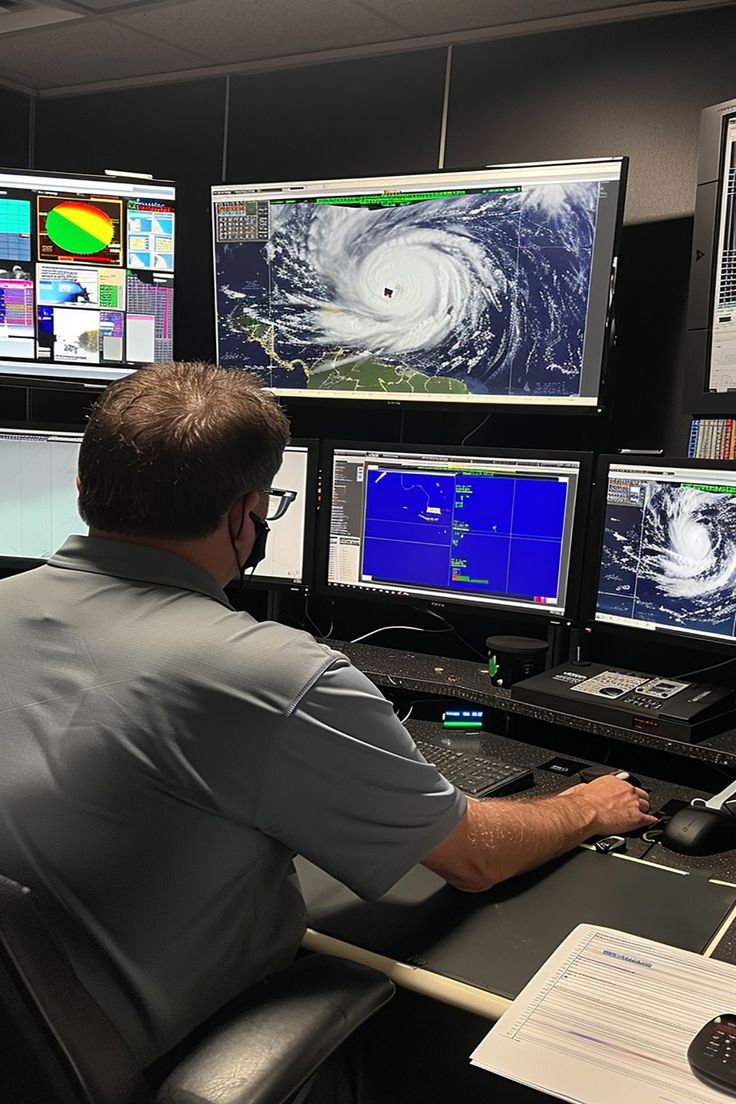
Understanding Severe Weather Alerts
Severe weather alerts are critical tools designed to inform the public about dangerous weather conditions that may threaten life, property, and daily activities. These alerts are issued when meteorological data indicates the possibility or occurrence of extreme weather such as storms, heavy rainfall, strong winds, heatwaves, or cold waves. Understanding how these alerts work and how to respond to them can significantly reduce risk and improve personal and community safety.
What Are Severe Weather Alerts
Severe weather alerts are official notifications released by authorized weather agencies to warn people about potentially hazardous weather. They are based on scientific observations, radar data, satellite imagery, and forecast models. Alerts are usually time-sensitive and location-specific, helping individuals take timely action.
Difference Between Watch and Warning
A weather watch means conditions are favorable for severe weather to develop, while a weather warning indicates that severe weather is already occurring or is imminent. Understanding this difference helps people decide how urgently they need to act.
Types of Severe Weather Warnings
Severe weather can take many forms, each presenting unique risks. Alerts are categorized to clearly communicate the nature of the threat and the level of danger involved.
Storm and Thunderstorm Warnings
Thunderstorm warnings are issued when storms produce heavy rain, lightning, strong winds, or hail. These storms can cause flash flooding, power outages, and damage to structures, making it important to seek shelter and avoid unnecessary travel.
Flood and Heavy Rain Alerts
Flood warnings are issued when excessive rainfall is expected to cause rivers, streams, or urban drainage systems to overflow. Even shallow floodwater can be dangerous, especially for vehicles and pedestrians.
Heatwave Alerts
Heat alerts are issued when temperatures are expected to reach levels that may pose health risks. Prolonged exposure to extreme heat can cause dehydration, heat exhaustion, and heatstroke, particularly among vulnerable populations.
Cold Wave and Winter Weather Alerts
Cold weather warnings highlight risks such as freezing temperatures, frost, snow, or icy conditions. These alerts are important for preventing hypothermia, protecting crops, and ensuring road safety.
Why Severe Weather Alerts Matter
Severe weather alerts are not just informational messages; they are safety tools meant to prompt action. Ignoring alerts can lead to injuries, property loss, and even fatalities. Taking alerts seriously allows people to prepare before conditions worsen.
Protecting Life and Health
Timely alerts give individuals the chance to move to safer locations, avoid dangerous travel, and take health precautions. This is especially important for children, elderly individuals, and those with medical conditions.
Reducing Property Damage
Advanced warnings allow homeowners and businesses to secure loose items, protect vehicles, and prepare buildings against strong winds or flooding, reducing potential losses.
How Severe Weather Alerts Are Delivered
Modern technology ensures that weather alerts reach people quickly through multiple channels. These systems are designed to maximize reach and ensure timely delivery.
Mobile Alerts and Notifications
Many smartphones receive emergency weather alerts automatically. These notifications are location-based and provide immediate information about nearby threats.
Television, Radio, and Online Platforms
Traditional media and digital platforms continue to play a major role in distributing weather warnings. News websites, radio broadcasts, and official social media accounts provide updates and safety guidance.
General Safety Tips During Severe Weather
While each type of severe weather requires specific actions, some general safety principles apply to most situations. Being prepared in advance improves response during emergencies.
Stay Informed
Regularly checking weather updates from trusted sources helps people stay aware of changing conditions. Avoid relying on rumors or unverified information.
Create an Emergency Plan
Having a basic emergency plan ensures that all household members know what to do during severe weather. This includes identifying safe areas, emergency contacts, and evacuation routes if necessary.
Prepare an Emergency Kit
An emergency kit should include essential items such as water, food, medications, flashlights, batteries, and important documents. Having these items ready saves time during urgent situations.
Safety Tips for Storms and Strong Winds
Storms with strong winds can cause falling trees, flying debris, and power outages. Taking shelter and minimizing exposure reduces risk.
Seek Safe Shelter
During severe storms, staying indoors and away from windows is recommended. If outdoors, avoid open areas and seek sturdy shelter immediately.
Secure Loose Objects
Before storms arrive, securing outdoor furniture and loose items can prevent damage and reduce the risk of injury.
Flood Safety Guidelines
Flooding is one of the most dangerous weather hazards due to its speed and unpredictability. Even experienced swimmers can be overwhelmed by moving water.
Avoid Flooded Areas
Never attempt to walk or drive through floodwater. Water depth and current strength are often difficult to judge and can change rapidly.
Move to Higher Ground
If flooding is expected, relocating to higher ground early can prevent dangerous situations and reduce the need for emergency rescues.
Heatwave Safety Measures
Extreme heat can be just as dangerous as storms or floods. Taking precautions helps prevent heat-related illnesses.
Stay Hydrated
Drinking water regularly, even when not feeling thirsty, is essential during hot conditions. Avoid excessive caffeine or alcohol.
Limit Outdoor Activity
Reducing physical activity during the hottest parts of the day helps prevent overheating. Wearing light clothing and using shade can also improve comfort.
Cold Weather and Winter Safety
Cold weather hazards require preparation to protect both people and property. Freezing temperatures can create dangerous conditions quickly.
Dress for the Cold
Wearing layered clothing helps retain body heat and reduce the risk of frostbite or hypothermia.
Travel with Caution
Icy roads and reduced visibility increase accident risks. Avoid unnecessary travel during severe winter conditions.
Role of Community Awareness
Community cooperation improves overall safety during severe weather events. Sharing accurate information and assisting vulnerable individuals strengthens resilience.
Helping Others Stay Safe
Checking on neighbors, especially the elderly or disabled, ensures that everyone has access to information and assistance when needed.
Following Official Guidance
Adhering to instructions from local authorities and emergency services helps maintain order and reduces confusion during critical situations.