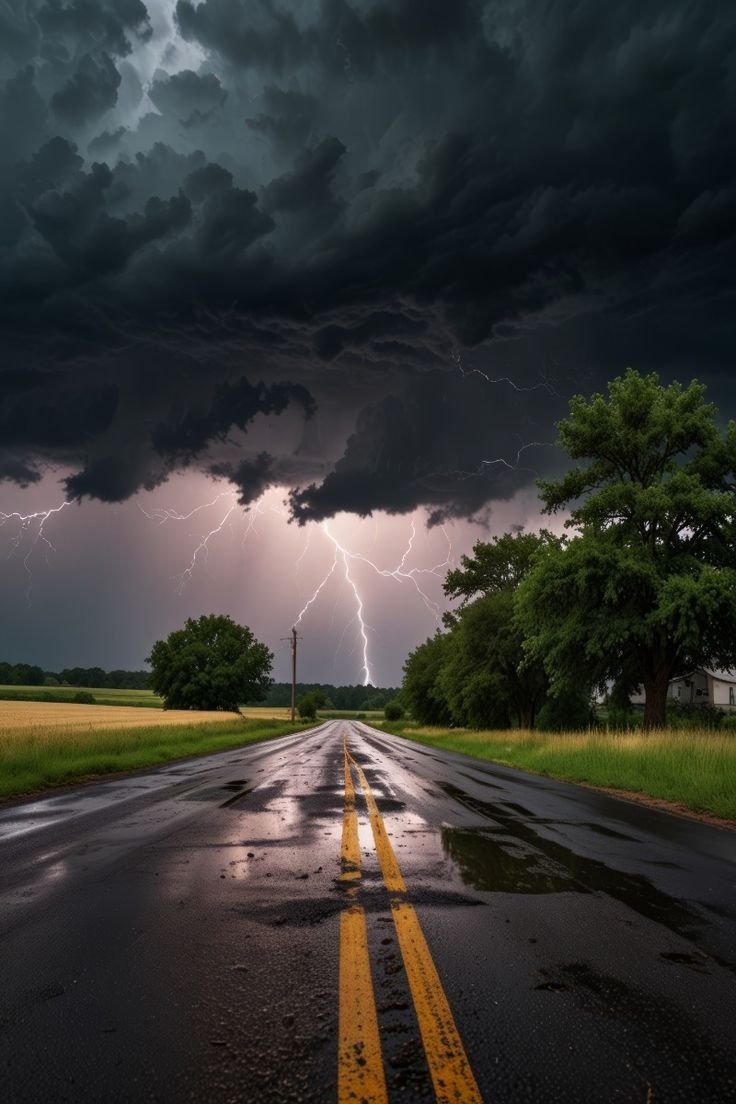
Thunderstorm Activity and Areas at Risk
Thunderstorms are sudden, intense weather events characterized by heavy rain, strong winds, lightning, and sometimes hail. They can develop quickly and pose risks to life, property, and infrastructure. Monitoring thunderstorm activity and understanding which areas are at risk allows individuals, communities, and authorities to prepare effectively and reduce potential damage.
Causes of Thunderstorms
Thunderstorms develop when warm, moist air rises rapidly in the atmosphere, creating instability. This rising air cools and condenses, forming clouds and precipitation, often accompanied by electrical activity.
Convective Activity
Convective thunderstorms occur when the surface heats up, causing air to rise quickly. These storms are common during hot and humid conditions and can produce sudden heavy rain, lightning, and gusty winds.
Frontal Boundaries
Thunderstorms often develop along cold fronts, where cooler air forces warm, moist air upward. Frontal thunderstorms can cover large areas and persist for several hours.
Orographic Effects
Mountains and elevated terrain can trigger thunderstorms when moist air is forced upward along slopes. These storms may produce localized heavy rainfall and rapid flooding in valleys.
Areas at Risk
Thunderstorm risks vary depending on geography, climate, and atmospheric conditions. Certain regions are more prone to frequent or severe storms.
Urban and Suburban Areas
Cities can experience stronger thunderstorms due to the urban heat island effect, which increases surface temperatures and enhances convective activity. Power outages, downed trees, and property damage are common impacts.
Coastal and Low-Lying Regions
Coastal areas are susceptible to thunderstorms due to moisture-laden air from the sea. Low-lying regions may face flooding during intense rainfall associated with storms.
Mountainous Areas
Elevated terrain can trigger sudden thunderstorms with heavy rain and hail. Rapid water runoff from mountains can cause flash floods in nearby valleys and streams.
Potential Hazards of Thunderstorms
Thunderstorms can present multiple hazards that affect safety and daily activities.
Lightning Strikes
Lightning can cause injuries, fatalities, fires, and damage to structures. Avoiding open fields, tall objects, and water bodies reduces the risk of lightning-related incidents.
Strong Winds and Gusts
Thunderstorms often produce strong gusts capable of uprooting trees, damaging buildings, and disrupting transportation. Securing outdoor objects and staying indoors during storms is crucial.
Heavy Rain and Flooding
Intense rainfall in a short period can overwhelm drainage systems, causing urban flooding and waterlogging. Flash floods in rivers and low-lying areas are especially dangerous.
Hail
Some thunderstorms produce hail, which can damage vehicles, crops, and roofs. Protective measures, such as staying indoors and covering vehicles, help minimize losses.
Precautions During Thunderstorms
Taking safety measures before and during thunderstorms reduces risk to life and property.
Stay Informed
Monitoring weather forecasts, alerts, and warnings from reliable sources provides advance notice of approaching storms.
Seek Shelter
During thunderstorms, it is important to stay indoors and avoid open areas, tall objects, and water bodies. Vehicles with a hard roof can also offer protection from lightning and hail.
Avoid Electrical Appliances
During lightning storms, unplug electrical devices and avoid using corded phones to reduce the risk of electrical shock.
Be Cautious of Flooded Areas
Never attempt to cross flooded streets or streams, as strong currents can sweep away vehicles and pedestrians. Wait for water to recede or use safer routes.
Community and Emergency Measures
Authorities play a critical role in preparing for and responding to thunderstorm activity.
Early Warning Systems
Weather agencies issue real-time alerts to inform communities about approaching storms. Following these alerts ensures timely action.
Emergency Services Preparedness
Local emergency services coordinate resources for power restoration, rescue operations, and medical assistance during severe thunderstorms.
Public Awareness Campaigns
Community education programs teach residents how to respond to thunderstorms, stay safe during storms, and prepare emergency supplies.
Long-Term Measures to Reduce Thunderstorm Impact
Communities can adopt long-term strategies to mitigate the effects of thunderstorms and enhance resilience.
Infrastructure Planning
Building stronger structures, improving drainage systems, and reinforcing power lines reduce damage during storms and maintain essential services.
Vegetation and Landscaping
Planting trees strategically and maintaining green areas can help reduce wind impact and manage runoff during heavy rains.
Climate Awareness and Research
Ongoing research and monitoring of climate and weather trends help predict thunderstorm activity more accurately, allowing authorities and communities to plan and respond effectively.